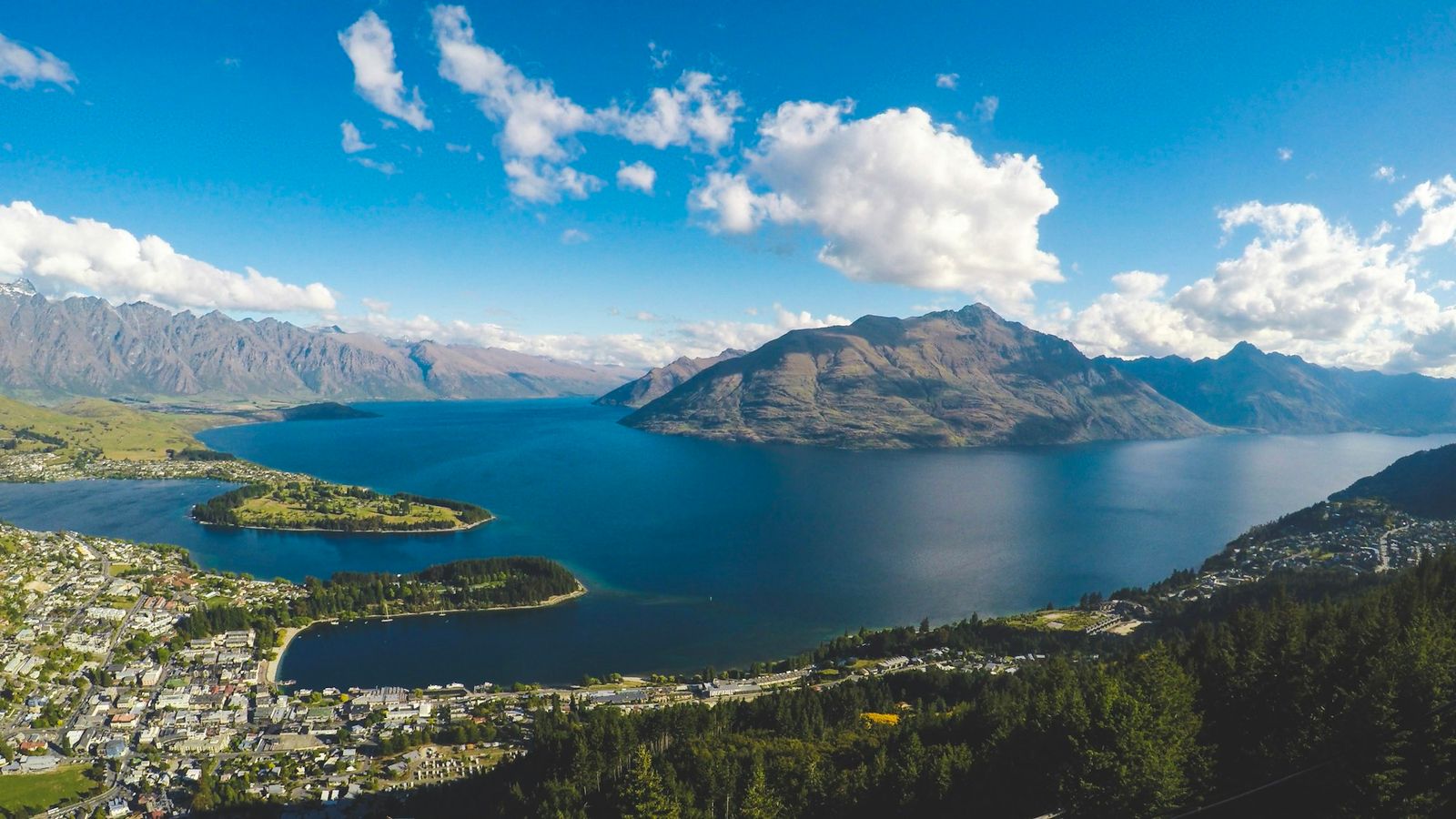
What shapes business in Queenstown Lakes?
Tourism sets the rhythm. The district’s economy is built around visitors, and its busy periods are sharp: ski season and the summer peak, with shoulder months in between. Tourism was estimated to account for around 40% of the district’s GDP before the pandemic, according to the Otago Daily Times, and although the economy has diversified since, the visitor cycle still governs cash flow for most local SMEs.
Visitor demand has been strong. Queenstown Airport recorded 101,702 international passenger movements in January 2025, up 11% on the year before, according to Tourism Ticker. Nationally, Infometrics reported international guest nights up 9.1% in the year to June 2026, one of the brighter parts of an otherwise cautious consumer economy.
The other defining feature is space. Commercial vacancy in Frankton was described as “extremely low” by a Bayleys agent in the ODT in July 2026, and new commercial precincts are being pre-sold to local businesses and owner-occupiers.
How Queenstown Lakes SMEs use finance
Preparing for the season. Outdoor retailers, rental operators, restaurants and tour companies spend heavily before the season starts: stock, staff, training, accommodation for staff and marketing. Seasonal stock funding and working capital cover the months before the tills get busy.
Fitting out scarce space. When a good site becomes available, tenants often need to commit quickly and invest heavily in the fit-out. Fit-out finance keeps working capital intact for the reopening.
Buying and selling businesses. The district has an active market in established cafés, bars, tourism operators and service businesses. Buyers frequently use acquisition funding secured on property.
Expanding to Wānaka and Cromwell. As the district grows, successful operators replicate their model in neighbouring towns with expansion finance.
Risks Queenstown owners manage
- Staff accommodation and costs. High housing costs make recruiting seasonal staff expensive. Budget for it in seasonal plans.
- Shocks to visitor flows. Weather events, airline capacity changes and global events can hit arrivals quickly. Keep a buffer.
- Heavy fit-out commitments on leased space. Check make-good clauses and lease length before investing.
Working with us
The process is simple and runs by phone and online. Complete a 60-second enquiry and a lending specialist will call to discuss the purpose and options. Property-secured loans can use a home, rental, commercial property or land as a first or second mortgage. Unsecured facilities are based on turnover and bank statements. Every loan is priced on the individual circumstances.
How Queenstown SMEs typically use finance
| Purpose | Why it comes up here |
|---|---|
| Seasonal stock builds | Retailers and operators buy stock and hire staff months ahead of the winter and summer peaks. |
| Fit-outs & premises | Scarce commercial space means fit-outs are expensive and tenants invest heavily to secure good sites. |
| Buying a business | Established hospitality, tourism and service businesses change hands regularly in the district. |
| Expansion & new sites | Operators follow growth to Frankton, Wānaka and Cromwell. |
| Property-secured loans | High local property values give many owners significant equity to secure business borrowing. |
Queenstown Lakes: common questions
My Queenstown business earns most of its revenue in winter. Can I borrow in autumn?
Yes. Seasonal facilities are designed for this. Twelve months of bank statements showing the seasonal pattern help a lender understand the cycle.
Do you fund businesses in Wānaka and Cromwell too?
Yes. We arrange finance for established businesses throughout the Queenstown Lakes and Central Otago areas.
Can I use a holiday home or rental in the district as security?
Yes. Homes, rentals, commercial property and land in New Zealand can secure business borrowing as a first or second mortgage.